Kid Stepped in Dog Poop? Here's What to Do First
· Poo Squad
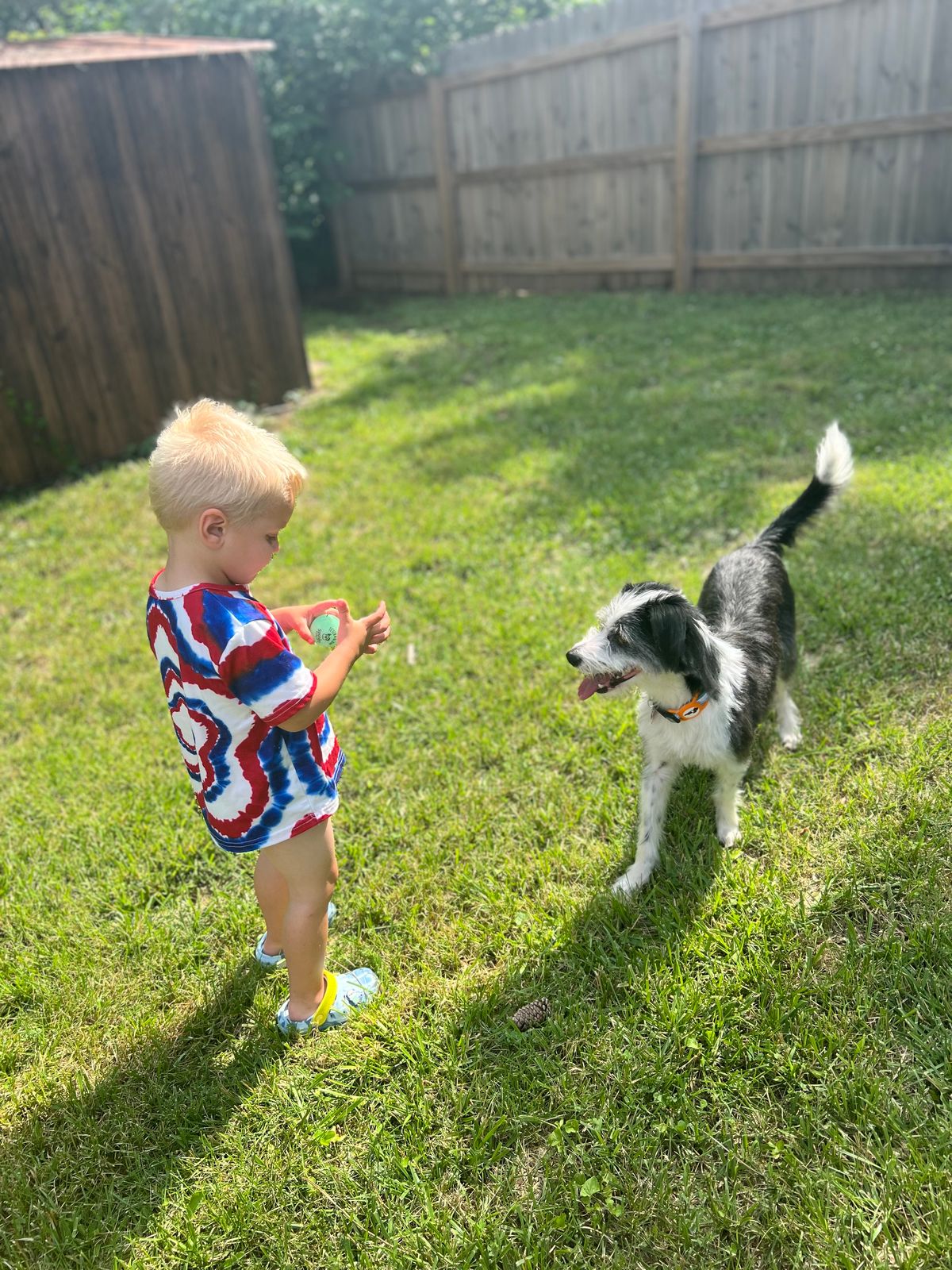
The squeal. The smell. The face.
You don't need a diagnosis. You already know what happened.
Your kid stepped in dog poop. Maybe yours. Maybe a neighbor's. Maybe a stranger's at the park. The dog is long gone, the pile is on the bottom of a tiny sneaker, and the trail is heading toward your carpet.
Breathe. Here's exactly what to do — in the right order, without losing your mind.
The Short Answer
Stop the kid where they stand. Get the shoe off without spreading it. Wash the foot or sock with warm water and soap. Clean the shoe outside. Disinfect anything that touched the trail. Watch for symptoms over the next few days, but don't panic — a single exposure with a good cleanup is almost always fine.
Now let's do it properly.
Step 1: Freeze. Don't Let Them Walk.
The first instinct is to scoop them up and run inside. Don't.
Every step they take with that shoe on is more cleanup for you later. Carpet. Tile grout. Car floor mat. The dog bed they were headed for.
Tell them to stand still. Or pick them up — but keep that shoe pointed away from your clothes.
If you're at a park or sidewalk, walk them to a grassy area and have them step on grass. Grass wipes off a surprising amount before you even start.
Step 2: Get the Shoe Off Outside
This is the rule that saves your house.
Take the shoe off before anyone goes inside. On the porch. In the garage. At the back gate. Anywhere but the entryway.
Have your kid sit down. Loosen the laces or velcro. Slide the shoe off without touching the bottom.
If it's on both shoes — handle one at a time. Slow is faster here.
Drop the shoe sole-up on a piece of newspaper, an old towel, or directly onto the concrete. Keep it away from the other shoe. Keep it away from the dog.
Step 3: Check the Sock and the Foot
Sometimes the poop is just on the sole. Sometimes it squished through the seam and got the sock too.
Peel the sock off carefully. Inside out is easier. Drop it straight into a plastic bag.
Look at the foot. If skin is clean — great, just wash with warm water and soap. Scrub between toes. Use a separate washcloth that goes straight to the laundry.
If there's any open cut, scrape, or eczema patch on the foot that came into contact with the poop, clean it gently with soap and water. Then apply an antiseptic. We'll talk about when this matters more, below.
Step 4: Clean the Shoe
Do this outside or in a utility sink. Not the kitchen.
Use a stick, plastic knife, or old butter knife to scrape the bulk off the sole. Don't press it. The goal is lift, not smear. Drop the bulk into a bag and tie it shut.
Hose the shoe down, sole-up, with the strongest spray your hose has. Get into the tread grooves. A retired toothbrush works miracles here.
Then wash with dish soap and warm water. Dish soap cuts the grease in dog waste better than hand soap. For mesh and canvas shoes, you can soak them in warm water with a bit of enzyme cleaner for thirty minutes.
If you want the full deep-clean walkthrough — including how to handle leather, suede, and the soles that just won't let go — here's our step-by-step shoe cleaning guide.
Air dry. Direct sun helps with smell. Don't put soaked shoes in the dryer.
Step 5: Disinfect the Trail
Think about where the shoe went between the incident and the cleanup. The mud room. The garage step. The car seat. The stroller wheel. The bath mat.
Anything hard goes through a quick wipe with a disinfecting cleaner.
Anything soft — rugs, car seats, dog beds — gets a spot-treat. Blot, don't rub. Then enzyme cleaner. Enzyme cleaners break down what's actually causing the smell instead of just masking it.
The sock and washcloth go in the washing machine on hot. Or straight in the trash if it was a thrift-bin pair.
Now Let's Talk About the Health Side
Here's the part parents actually want to know. Is your kid going to get sick?
Almost certainly not. A quick exposure to dog waste on a shoe, followed by a real cleanup, is low risk for an otherwise healthy kid. The doctor's office isn't a default next step.
That said — dog poop carries more health risks than people realize. The reason matters when you're deciding what to monitor.
Bacteria
One gram of dog poop holds around 23 million coliform bacteria. That includes E. coli, Salmonella, and Campylobacter — the ones that cause stomach cramps, diarrhea, and fever.
For these to make a kid sick, the bacteria generally have to make it to the mouth. That's why hand-washing matters more than the shoe.
If your kid wiped the shoe with a hand and then ate a snack five minutes later, the risk just went up. Wash the hands. Then wash them again.
Parasites
This is the part most parents haven't heard about.
Roundworms, hookworms, and whipworms are common in dog waste — even waste that looks dry and old. Toxocariasis is the parasite worth knowing about for families. It comes from roundworm eggs that can survive in soil for years.
Most cases don't cause symptoms. But in kids, occasionally the larvae migrate. The most serious form affects the eye and can damage vision over time.
Hookworms are different. The larvae go through skin — usually bare feet on contaminated soil or sand. That's why barefoot summer feels different than barefoot in February.
None of this is a reason to spiral. It's a reason to take old, dried piles seriously. Dried piles aren't safer — they're often worse, because the bacteria are gone but the parasite eggs are hardened and shelf-stable.
Why Kids Are More At-Risk Than Adults
The CDC's parasite team puts it plainly: children are more vulnerable to parasitic infections than adults. Three reasons.
They play on the ground. They put hands and dirty objects in their mouths. They sometimes — let's be honest — eat dirt.
So if you have a toddler who turned the cleanup into a game, the cleanup matters more than the original step.
When to Call the Pediatrician
You don't need a doctor for "stepped in poop and got cleaned up properly." You probably do want to call if any of these happen.
You see diarrhea, cramping, or fever in the three to five days after exposure. Specifically watery diarrhea, bloody stool, or vomiting.
The poop got into a cut, scrape, or open eczema patch — not just intact skin.
It got into the eye. This is rare but real. Toxocara larvae can affect vision.
Your kid ate it. Or licked it off a finger. Don't laugh — it happens. Call the pediatric nurse line, describe the exposure, and follow what they say.
Your kid is immunocompromised, on chemo, or under six months old. Risk thresholds are different.
For everything else — normal kid, intact skin, real cleanup — you're almost certainly in the clear.
What About the Carpet, Car Seat, and Stroller?
Cleaning soft stuff is half the battle. A few specifics.
Carpet. Scrape the solid bits with a spoon or plastic knife. Blot — don't rub — any remaining residue with a paper towel. Spray with enzyme cleaner. Let it soak for the time on the label. Blot again. Repeat if you still smell it.
Car seat. Check the manufacturer's wash instructions — most car seat covers come off. The straps usually shouldn't be soaked because soap can break down the harness fibers. Wipe straps with a damp cloth and mild soap only.
Stroller. Wheels are the worst offender because they keep rolling the poop further. Take the stroller out of the trunk, hose the wheels, scrub with a brush, and let it air dry before it goes back in the car.
Dog bed, kid bed, plush toy. Hot wash. If it's labeled dry-clean only and got hit directly, the dry cleaner can usually handle it.
How to Keep This from Being a Regular Thing
If this is happening more than once a year, something's off in the environment.
Walks. Watch the path. Especially in spots where neighborhood dogs hit the same patch of grass repeatedly. Sidewalk strips near apartment buildings are the worst.
Parks. Public dog parks, ball fields, and school playgrounds get more uncollected waste than people realize. Scan the ground at the start of your visit. Pick play areas that look maintained.
Your own yard. This is the one you control. If your kid stepped in poop in your own yard, something has slipped. Either the scoop schedule, the dog routine, or a neighbor's dog is using your grass.
If you're not sure what dropped the pile in the first place — and it's possible it wasn't even your dog — our backyard animal poop identification guide walks through how to tell.
The Yard Situation Most Parents Don't Want to Admit
Here's the part nobody likes to say. The biggest source of "kid stepped in poop" incidents in the home is the family's own backyard. Not the park.
It's not because parents don't care. It's because the yard gets away from you. Three rainy days. A travel weekend. A new puppy that doubled the output. Suddenly the lawn is a minefield and you're afraid to let the kids run free.
That's where we come in. Our residential pooper scooper service means somebody else is in the yard every week — rain, shine, holidays — keeping it safe enough that your kid can chase a ball without checking the ground first.
The yard goes back to being a yard. The kids go back to being kids.
FAQ
Can my kid get sick from stepping in dog poop?
Probably not from a single exposure with proper cleanup. The bigger risk is parasite eggs in soil that's been contaminated for weeks or months, especially in places kids play barefoot. The biggest single-incident risk is hand-to-mouth transfer after the cleanup. Wash hands before food.
Do I need to take my kid to the doctor?
Only if symptoms show up — diarrhea, fever, cramping, vomiting in the three to five days after exposure. Also call if the poop made contact with a cut, the eye, or the mouth, or if your kid is immunocompromised. Otherwise, a thorough wash and normal monitoring is enough.
What if the poop was already dried out?
Dried poop is sometimes worse, not better. Bacteria die off, but parasite eggs — especially roundworm — can survive in soil for years. If the dry pile cracked open under your kid's shoe and sent dust onto skin, treat it like a fresh exposure and wash thoroughly.
How do I disinfect carpet after dog poop?
Scrape the solids with a spoon or plastic knife. Blot — don't rub — any residue. Apply an enzyme cleaner and let it soak for the time on the label. Blot again. Repeat once if the smell lingers. Skip vinegar and baking soda combos on light carpet; they can leave a ring.
Should I throw the shoes away?
Usually no. Canvas and mesh shoes clean up fully with warm water, dish soap, and enzyme cleaner. Leather and suede need gentler treatment but also survive. If the shoes are old, beat-up, and a poop incident is the third strike — sure, retire them. But you don't have to.
The Last Thing
Kids step in stuff. It's part of having a yard, a neighborhood, and a kid. The right move is calm, fast cleanup — not panic. And making the spaces where they play a little safer over time.
If your yard is the kind where this keeps happening, we'd love to help. Find your local Poo Squad — we serve over twenty cities across the country, and we're in your yard rain or shine.
You get the yard back. The kids get the run of it. See if we're in your area.