Why Does My Dog Eat His Own Poop? (Real Reasons)
· Poo Squad
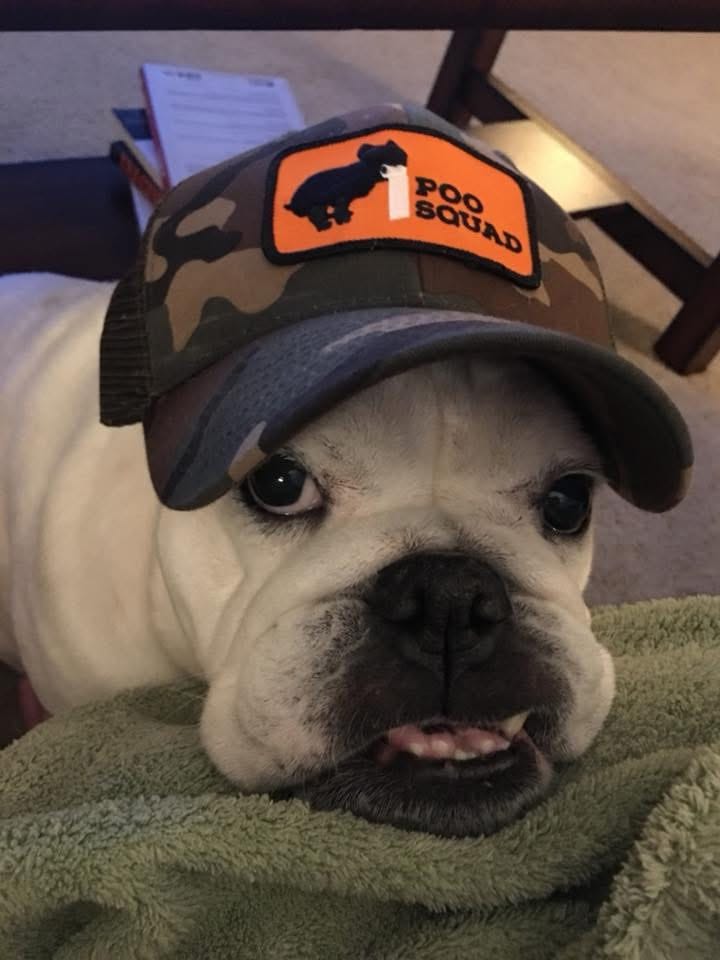
You saw him do it. You're hoping you didn't. But you did.
Your dog just ate his own poop. Right in front of you. After kissing you on the face five minutes ago.
First: you're not a bad dog owner. This is incredibly common. It even has a fancy name — coprophagia — and roughly one in four dogs does it at some point. According to the American Kennel Club, about 16% of dogs are considered "serious" stool eaters. That's a lot of grossed-out owners.
So what's going on in your dog's head? And more importantly — how do you make it stop?
The Short Answer
Dogs eat their own poop for a handful of reasons. Most of them are behavioral. A few are medical. Almost all of them are fixable.
Here's what's actually going on.
Reason #1: It's Just... a Dog Thing
Let's start with the hardest one to accept. A lot of dogs eat poop because they're dogs.
Wolves and wild canines eat waste to keep their dens clean and to hide their presence from predators. Mother dogs eat their puppies' poop for the same reason — it's instinct. The pups watch. They copy. And some of them never grow out of it.
If you've got a puppy doing this, there's a good chance it's developmental. Most pups stop by their first birthday. Some don't.
Reason #2: Something's Off With Their Diet
This is the big one. And the one most owners can actually do something about.
Dogs sometimes eat their own poop because they're not getting enough of something in their food. Could be calories. Could be nutrients. Could be digestive enzymes. Their gut is telling them to try again with what came out.
A few diet red flags to check:
- Cheap food with too many fillers and not enough real protein
- Feeding schedule that's too spread out — hungry dogs will eat anything
- Rapid weight loss or visible ribs
- Dog wolfing his food down like he hasn't eaten in days
If any of those sound familiar, talk to your vet about switching foods or upping the quality. A lot of coprophagia cases vanish the moment the diet gets fixed.
Reason #3: Boredom and Anxiety
A bored dog is a creative dog. And not in the good way.
Dogs left alone for long stretches with nothing to do will find entertainment. If the only "toy" in the yard is a pile they made earlier, well. You can see where this goes.
Anxiety works the same way. Some dogs self-soothe by eating things they shouldn't — poop included. Rescue dogs and dogs with past neglect are especially prone to it, often because they had to compete for food or scavenge to survive.
Signs it might be boredom or anxiety:
- He only does it when you're not home
- He also chews furniture, shoes, or baseboards
- He's left alone for 8+ hours with no enrichment
- He's a rescue or was recently rehomed
Fix the root cause, fix the behavior. More exercise, more mental stimulation, more company. A tired dog with a puzzle feeder doesn't have time to snack on his own output.
Reason #4: It's a Medical Issue
Sometimes coprophagia is a symptom, not the problem.
A handful of medical conditions can drive it:
- Enzyme deficiencies — especially EPI (exocrine pancreatic insufficiency), where the dog isn't properly digesting food and his waste still contains nutrients
- Parasites — a dog with intestinal parasites is losing nutrients and constantly hungry
- Diabetes, Cushing's disease, thyroid issues — anything that cranks up appetite
- Malabsorption disorders — food goes in, doesn't absorb, comes out still partly "usable"
If your dog suddenly started eating poop and he wasn't before, that's worth a vet visit. Especially if you're also seeing weight loss, vomiting, diarrhea, or a change in energy levels. And if your dog ate poop and threw up, that's a separate conversation — one that sometimes needs a vet call.
Reason #5: He Learned It From Another Dog
Multi-dog households, meet your hardest problem.
One dog starts doing it. The other dog sees him do it. Now both dogs do it. And if one of them is older and the puppy looks up to her, forget it — the puppy is going to copy everything.
Same thing happens at dog parks, daycare, or the breeder's place. Dogs learn by watching. Unfortunately, they don't distinguish between "things worth copying" and "things that will gross out my human."
Is It Actually Dangerous?
Here's the thing people want to know but are afraid to ask.
Usually? It's not a medical emergency. Dogs eat their own poop all the time with no lasting effects. The main consequences are:
Parasites. This is the real concern. Poop — even your own dog's poop — can contain parasites like roundworms, hookworms, and giardia. If the dog is infected, re-ingesting the waste can re-infect him on a cycle. If other dogs in the household eat it, they get exposed too.
Bacterial infection. Salmonella, E. coli, and campylobacter can all live in dog waste. Usually the dog's gut handles it. Sometimes it doesn't.
The kissing problem. Your dog eats poop. Then he licks your toddler's face. You can do the math.
None of this makes it an emergency. But it's a reason to take it seriously, not just laugh it off.
How to Make It Stop
Good news: most coprophagia cases can be solved. Bad news: there's no single magic fix. You have to stack a few approaches.
Step 1: Get a vet checkup. Rule out medical causes first. Bloodwork, fecal test, full physical. This takes two weeks off your life and saves you months of wrong guesses.
Step 2: Upgrade the food. Talk to your vet about a higher-quality diet. Some dogs benefit from adding enzymes or probiotics. Feed twice a day instead of once. Make sure he's actually full.
Step 3: Clean up immediately. This is the single most effective thing you can do. No poop, no problem. If the yard is spotless every day, there's nothing for him to eat.
We cannot overstate this. Every dog trainer, every vet, every behavioral specialist says the same thing: the fastest, most reliable way to stop coprophagia is to make it impossible. Scoop after every bathroom break. Or get a regular residential pooper scooper service to do it for you. This is exactly why we exist.
Step 4: Train the leave-it command. Practice "leave it" with treats in the kitchen until it's rock-solid. Then take it outside. When he sniffs a pile, cue "leave it," and reward him hard when he turns away.
Step 5: Add a deterrent (if needed). Some owners have luck with products like For-Bid or adding pineapple, pumpkin, or meat tenderizer to food — the idea is to make the waste taste bad on the way back out. Results are mixed. Ask your vet before using any of these, especially on older dogs or dogs on medication.
Step 6: More exercise, more enrichment. A tired, mentally-stimulated dog doesn't snack on his own output. Walks, puzzle feeders, training sessions, chew toys. Fill his day.
What Not to Do
A few things that won't help and might make it worse:
Don't yell or punish. Your dog doesn't know why you're mad. He'll just get sneakier — eating the poop faster and hiding from you when he does.
Don't rub his nose in it. This doesn't teach anything. It just scares him.
Don't assume he'll grow out of it. Some dogs do. Some don't. Waiting while doing nothing rarely works.
When to Call Your Vet
Most poop-eating is annoying but not urgent. Call the vet if:
- The behavior is new and sudden
- He's also losing weight, vomiting, or having diarrhea
- He seems obsessed with it — can't walk past a pile without eating it
- You've ruled out the easy stuff (diet, boredom, access) and it's still happening
- Another dog or child in the house might get exposed to parasites
A fecal test is cheap and fast. Do that first. Your vet can also tell you if a specific supplement or diet change might help for your dog's situation.
The Other Side of Coprophagia
Worth mentioning: dogs don't just eat their own waste. They also eat other animals' waste — and that can be a bigger problem. Dogs eating cat poop comes with its own risks (high protein, litter issues, toxoplasmosis exposure). Dogs who eat rabbit poop can pick up parasites from wildlife. If your dog is a general-purpose waste connoisseur, treat it like one problem with multiple sources.
The Honest Truth About Fixing This
Most cases of dog-eats-own-poop come down to two things: access and drive.
Take away the access — meaning, scoop the yard religiously — and the drive doesn't matter as much. Most dogs won't go dig through trash or bushes for it. They eat what's in front of them.
That's the biggest lever you have. And it's the one people skip because, well, it's gross.
We get it. We do this for a living.
FAQ
Will my dog get sick from eating his own poop?
Usually not, but he can pick up or re-infect himself with intestinal parasites, and there's always some risk of bacterial infection. It's gross but rarely an emergency. If he's also acting off — vomiting, lethargic, losing weight — call your vet.
Why do puppies eat their own poop?
Puppies explore the world with their mouths, and eating poop is usually developmental. Most outgrow it by 12 months. Keep the yard clean and redirect them when you see it happen. Don't punish.
Does pineapple stop dogs from eating poop?
Sometimes, but results are mixed. The theory is that pineapple makes waste taste bitter on the way back out. It works for some dogs and does nothing for others. Ask your vet before trying any food additive, and never skip the underlying cause.
How do I stop my dog from eating poop immediately?
Pick it up the second it hits the ground. No poop, no problem. Combine that with a "leave it" command, more exercise, and a vet checkup to rule out medical causes. It's almost always solvable.
Is coprophagia a sign of a bigger problem?
It can be. Sudden onset in an adult dog is worth a vet visit — it sometimes signals a digestive issue, parasite load, or endocrine condition. In puppies and lifelong habits, it's usually behavioral.
We'll Handle the Scooping. You Handle the Cuddles.
Coprophagia is a fixable problem. But the single biggest part of the fix is the part most people don't want to do — getting out there every day and cleaning up the yard.
That's where we come in.
Poo Squad handles the scooping so your dog never has the chance. Weekly, twice-weekly, or one-time cleanups. Thirty-plus cities across the country and counting. Find your nearest Poo Squad and see if we cover your zip code.
Your yard deserves better. And so do you.